
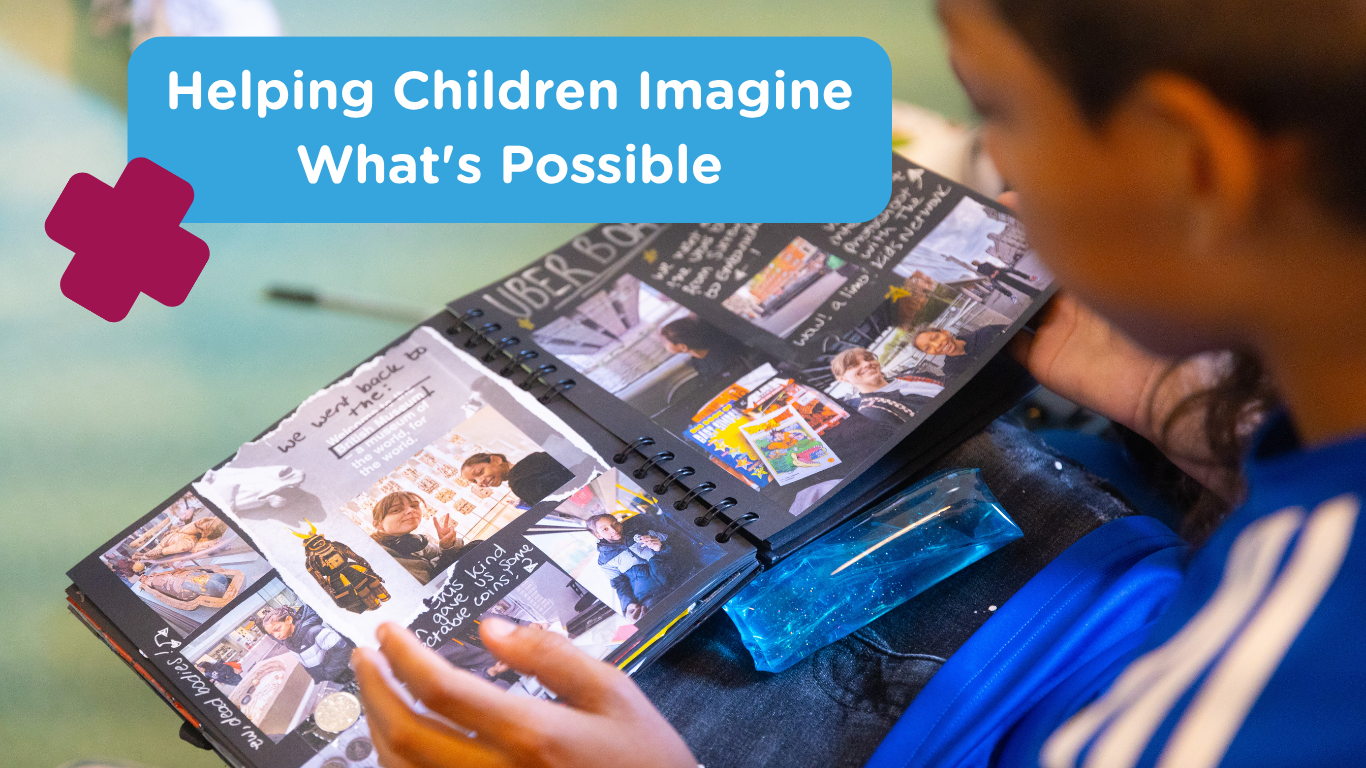
Wider Life and Future Skills - Helping Children Imagine What's Possible
How Does Mentoring Help Children Develop Wider Life and Future Skills?
Helping children build the confidence, curiosity and self-belief to imagine what's possible.
What are wider life and future skills?
Wider life and future skills are the practical, social and personal skills that help children navigate new opportunities and prepare for their futures.
The Department for Education's Enrichment Framework identifies wider life and future skills as one of its key enrichment areas. This can include opportunities such as digital literacy, STEM, cooking, enterprise and financial education.
But preparing for the future isn't only about learning practical or technical skills. Children also need confidence, curiosity, communication skills and opportunities to discover what interests them.
That's where mentoring can play an important role.
How does mentoring help children develop skills for the future?
Mentoring helps children practise communication, decision-making, problem-solving and goal-setting through a consistent relationship with a trusted adult.
At TKN, children aren't simply told what they should be interested in or what they should aspire to. Our mentoring is child-led, giving each Little Londoner space to discover their strengths, make choices and explore the things that excite them.
Weekly sessions create countless small opportunities to practise those skills. Choosing an activity, working out how to get there, deciding how to use their activity budget or navigating something that hasn't gone to plan can all become part of learning.
Over time, those small decisions can build greater independence and self-belief.
How can mentoring help children think differently about their futures?
Mentoring can widen children's horizons by introducing them to new experiences, interests and possibilities while giving them someone who encourages them to explore.
A child's future can feel much bigger when they have opportunities to see more of the world around them.
Through mentoring, children can explore London, discover new interests and have conversations about what excites them and what they might want to try next. A mentor doesn't decide what that future should look like. They create space for the child to imagine it for themselves.
At TKN, we believe widening horizons is just as important as developing individual skills. When children feel confident enough to explore, ask questions and try something unfamiliar, more possibilities begin to feel like they belong to them too.
How can mentoring complement a school's future skills enrichment?
Mentoring can complement future skills provision by developing the confidence, curiosity and independence children need to make the most of enrichment opportunities.
A coding club, enterprise project or STEM activity can offer an incredible opportunity, but children first need to feel that those spaces are for them.
Early intervention mentoring can help build that foundation. By giving children consistent encouragement and opportunities to make decisions, solve problems and explore their interests, mentoring can help them become more confident about engaging with the opportunities their school provides.
For schools strengthening their wider life and future skills enrichment, mentoring can therefore act as a bridge between having opportunities available and helping children feel ready to embrace them.
FAQs
What skills can children develop through mentoring?
Mentoring can support children to develop communication, confidence, independence, decision-making, problem-solving and goal-setting through regular experiences with a trusted adult.
Does TKN teach specific future skills such as coding or financial education?
TKN is a mentoring programme rather than a specialist skills provider. Our role is to help children build the confidence, curiosity and wider personal skills that can support them to engage with opportunities such as STEM, enterprise and financial education.
Why is early intervention important for future skills?
Supporting confidence and social and emotional development during childhood can give children stronger foundations from which to approach new opportunities, challenges and transitions as they grow.
How can mentoring support a school's enrichment provision?
Mentoring can complement school enrichment by helping children develop the confidence, curiosity and independence they need to participate fully in wider life and future skills opportunities.

.svg)
.svg)