
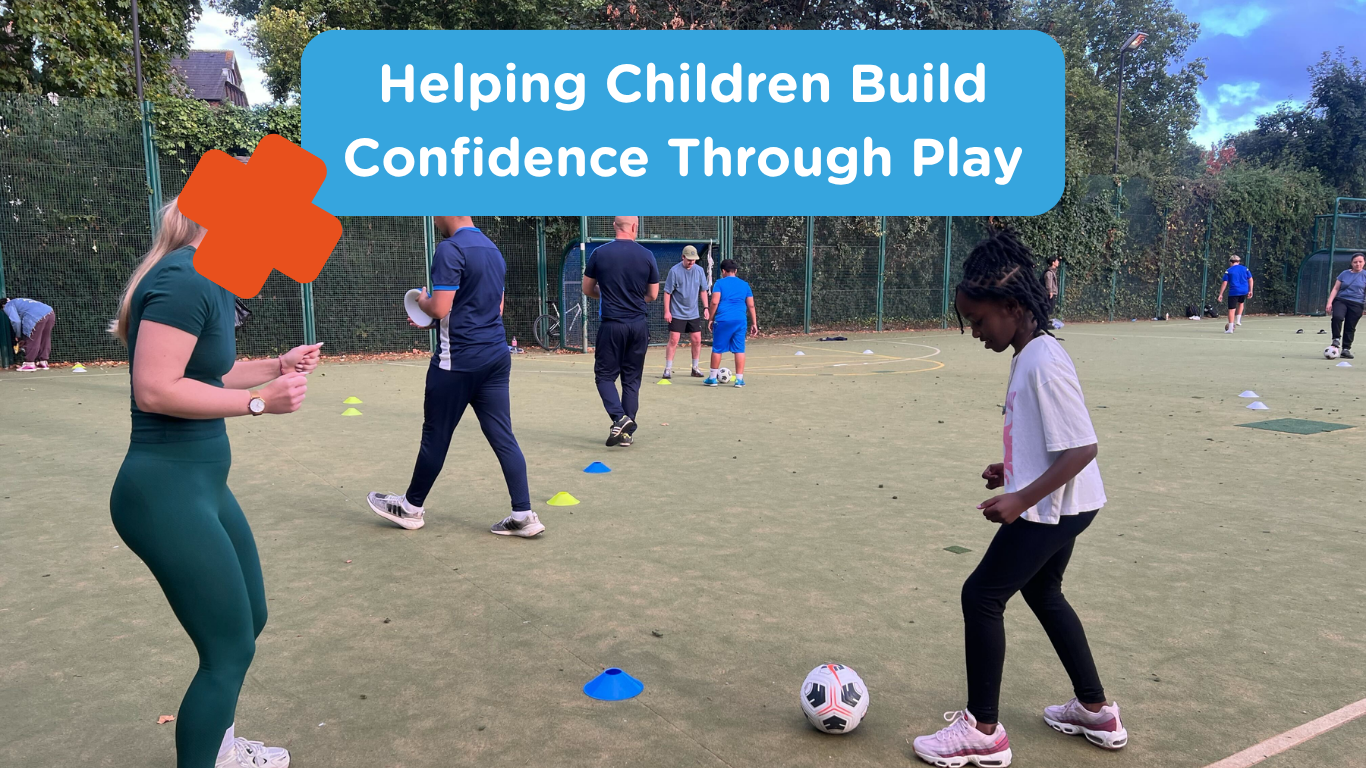
Sport and Physical Activity - Helping Children Build Confidence Through Play
How Does Mentoring Support Children's Participation in Sport and Physical Activity?
Helping children build confidence, resilience and connection through play.
Why are sport and physical activity important forms of enrichment?
Sport and physical activity give children opportunities to build confidence, teamwork, resilience and physical wellbeing through play and movement.
The Department for Education's Enrichment Framework includes sport and physical activity as an important area of enrichment, encompassing opportunities such as team sports, dance, cycling and other forms of physical activity.
But taking part isn't always easy. For some children, low confidence, worries about getting something wrong or feeling uncomfortable around their peers can make joining in feel like a much bigger challenge.
How does mentoring help children become more confident about physical activity?
Mentoring gives children a trusted, encouraging relationship in which they can try new activities without worrying about being the best or getting everything right.
At TKN, we know that confidence doesn't always begin on the sidelines of a sports pitch. Sometimes it starts with one trusted adult saying, "Let's give it a go together."
Because sessions are child-led, mentoring pairs can explore the activities that genuinely excite them. That could be kicking a football around the park, going swimming, trying ice skating, cycling or discovering something neither mentor nor mentee has done before.
A mentor is there to encourage, celebrate and, importantly, have fun alongside them.
Why is play important for children's confidence and wellbeing?
Play gives children opportunities to explore, make choices, overcome challenges and experience joy, all of which can support their confidence and wellbeing.
At TKN, play isn't something separate from our impact. It's a central part of how relationships grow.
A missed goal, a wobbly first attempt or finally mastering something that once felt impossible can all become opportunities to build resilience and self-belief.
Fun is not extra. Connection is not secondary. Joy is not a distraction from impact. They are part of the impact.
And the confidence children develop through those experiences can travel with them far beyond a mentoring session, influencing how willing they feel to participate at school, with their peers and in their communities.
How can mentoring support a school's sport and physical activity enrichment?
Mentoring can complement a school's sport and physical activity provision by addressing some of the confidence and participation barriers that can prevent children from getting involved.
Rather than focusing on performance, mentoring gives children space to discover what being active can look like for them.
For schools strengthening their enrichment provision, mentoring can provide another route into sport and physical activity, particularly for children who may need encouragement and a trusted relationship before they feel ready to join in.
FAQs
Does a child need to be interested in sport to benefit?
No. Physical activity can take many forms, and TKN's programme is child-led. Children and mentors can explore activities that feel enjoyable and interesting to them.
How does mentoring build confidence through sport?
Mentors give children encouragement and a safe space to try, make mistakes and try again. Over time, these experiences can help children recognise their own capabilities and become more comfortable taking on new challenges.
Is TKN a sports mentoring programme?
No. TKN provides child-led, one-to-one mentoring, and sport and physical activity are just some of the many experiences mentoring pairs may choose to explore together.
Can mentoring support school enrichment?
Yes. Mentoring can help children develop confidence, resilience and willingness to participate, creating a stronger foundation for engaging with sport and other enrichment opportunities at school.

.svg)
.svg)