
Civic Engagement - Helping Children Discover Their Place in the Community
How Does Mentoring Support Civic Engagement in Children?
A Guide for Schools
The Kids Network explains how child-led mentoring builds the confidence, communication skills and community connection at the heart of the Department for Education's Enrichment Framework.
What is civic engagement, and why does it matter for children?
Civic engagement means actively participating in and contributing to your community, understanding your role within it, and feeling a sense of belonging and responsibility towards the people and places around you. Children who feel connected to their communities are more likely to grow into confident, engaged and active citizens. Civic engagement is one of the five categories in the Department for Education's new Enrichment Framework, which encourages schools to create opportunities for pupils to contribute, participate and understand the role they can play in the world around them.
How does mentoring build civic engagement in children?
Mentoring builds civic engagement by giving children a trusted relationship, weekly opportunities to explore their local community, and the confidence to see themselves as active participants in the world around them, well before they join a school council or take part in formal volunteering.
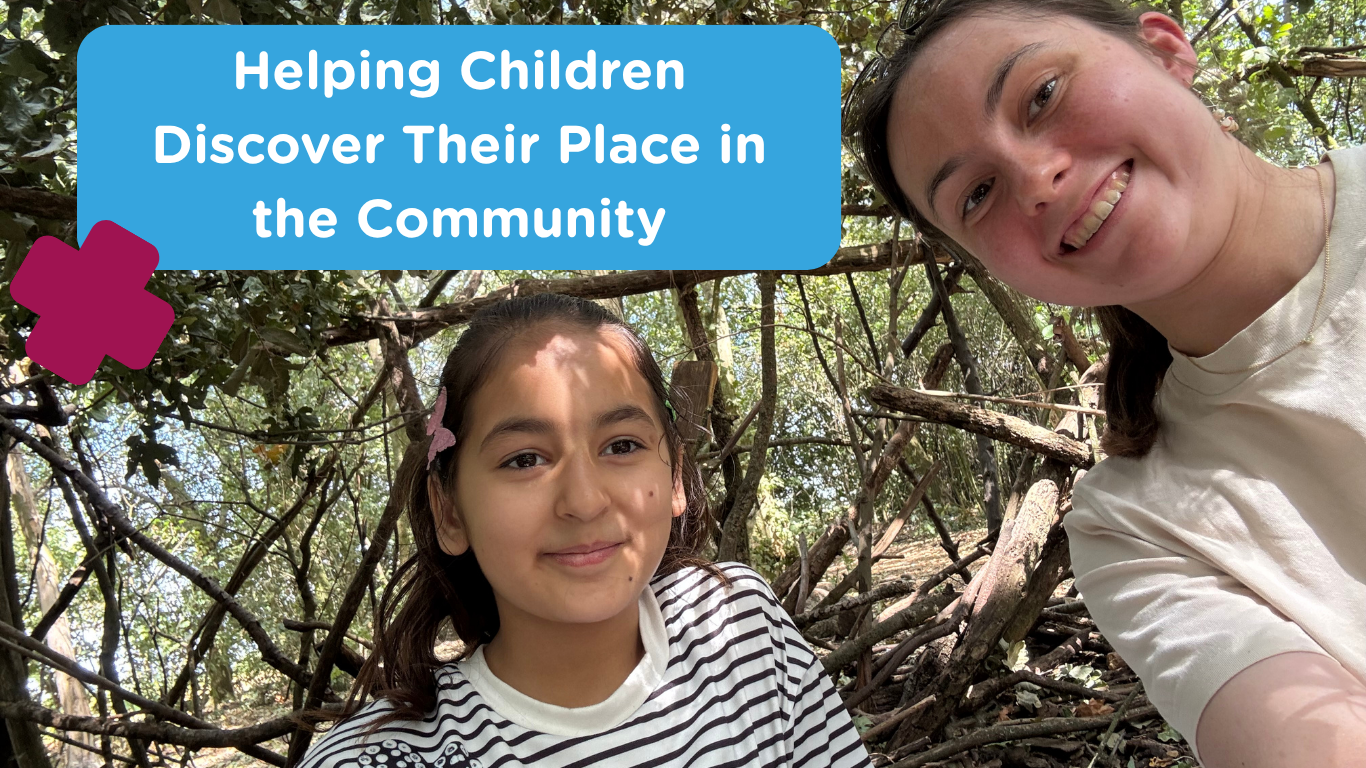
At The Kids Network (TKN), we believe these skills don't begin with a formal civic activity. They begin much earlier, with confidence, curiosity and a trusted relationship. Through weekly one-to-one mentoring, children build the confidence to share their ideas, ask questions and explore the world beyond home and school. Mentors and mentees discover new places across London together, connect with local communities, and help children see that the city and its opportunities belong to them too.
What specific skills does mentoring develop for civic engagement?
Mentoring develops three foundational skills that underpin civic engagement: confidence to participate, communication skills to contribute ideas, and a genuine sense of belonging to a community.
These experiences help children develop the confidence, communication skills and sense of belonging that underpin meaningful civic engagement. By introducing children to new environments, encouraging conversations about their communities, and helping them recognise the positive role they can play, mentoring lays the foundations for active citizenship long before secondary school.
How can schools use mentoring to meet the Enrichment Framework's civic engagement benchmark?
Schools can meet the civic engagement benchmark by partnering with community mentoring organisations like The Kids Network, which provide a structured, evidence-based way to build the confidence, independence and community connection children need, without requiring additional staff time or curriculum changes.
As schools look to strengthen their enrichment offer, mentoring provides a powerful and practical way to nurture the confidence, independence and community connection that children need to thrive, both in school and beyond.
Frequently asked questions
What age group does The Kids Network's mentoring programme support?
The Kids Network provides mentoring for children aged 8 to 11, at the pivotal stage before the transition to secondary school.
Does mentoring count towards the DfE's Enrichment Framework?
Yes. Civic engagement is one of the five enrichment categories in the DfE's framework, and mentoring directly supports the confidence, communication and community connection this category is designed to build.
How often do children meet their mentor?
Children meet their mentor weekly, one-to-one, over the course of a year.

.svg)
.svg)